Improving your smile’s appearance doesn’t always require extensive dental work. Dental bonding and porcelain veneers are two cosmetic treatments that can address imperfections such as chips, gaps, and discoloration, but each offers different advantages.
At her Houston practice, Dr. Heather Fleschler, DDS, FAGD, LVIF, combines advanced cosmetic dentistry training from the Las Vegas Institute for Advanced Dental Studies with a personalized approach to patient care.
Choosing between bonding and veneers starts with considering your cosmetic goals, budget, and long-term expectations.
What Is the Difference Between Dental Bonding and Porcelain Veneers?
Dental bonding is a cosmetic treatment that uses tooth-colored composite resin to address minor imperfections and improve the look of teeth. During the procedure, the resin is applied, shaped to achieve the desired appearance, hardened, and polished, usually within one appointment.
Porcelain veneers are thin, custom-made shells bonded to the front surfaces of teeth. They typically require multiple appointments and some enamel removal, but offer excellent stain resistance and long-lasting cosmetic improvements.
When Is Dental Bonding the Better Choice?
Dental bonding can be particularly appealing when the changes you want are relatively small. It may be recommended for:
- Repairing minor chips or cracks in visible teeth
- Closing small gaps between teeth
- Improving the shape of slightly uneven teeth
- Concealing localized discoloration
- Making cosmetic improvements without significant enamel removal
Dental bonding offers a relatively quick and affordable alternative to porcelain veneers, often requiring only one office visit. Because it generally involves little to no removal of healthy enamel, patients can enhance their smiles while maintaining their natural tooth structure.
When Might Porcelain Veneers Be Worth Considering?
Porcelain veneers may be preferable when you want a more substantial smile transformation. Their durable ceramic material resists staining better than composite resin and generally maintains its appearance longer.
Veneers may also provide more predictable coverage for widespread discoloration or multiple cosmetic concerns. However, they involve a greater initial investment and usually require permanent changes to the underlying enamel.
How Long Does Dental Bonding Last?
Dental bonding commonly lasts around three to ten years, depending on the location of the restoration, oral hygiene habits, and everyday wear.
Avoiding habits such as chewing ice or biting fingernails can help protect bonded teeth. Regular dental visits also help address minor wear or damage before more extensive repairs become necessary.
Explore Your Cosmetic Dentistry Options in Houston, TX
Both dental bonding and porcelain veneers can help create a more balanced, attractive smile. The best choice depends on your teeth, desired changes, and personal priorities.
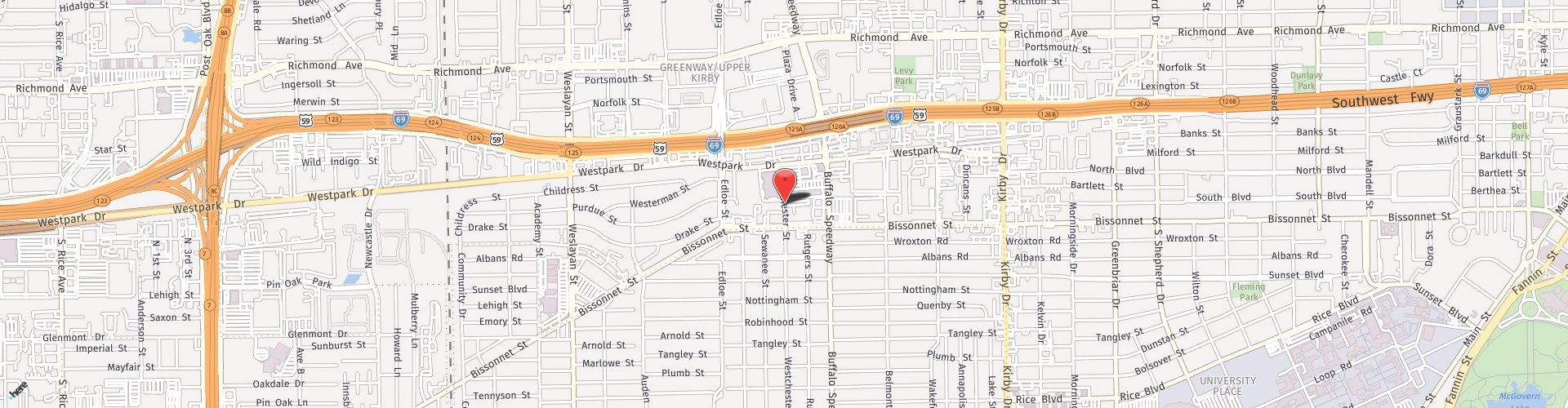
Dr. Heather Fleschler provides individualized cosmetic dentistry consultations for patients in Houston, West University, Bellaire, and surrounding communities. Call 713-660-6500 to schedule a consultation and explore which treatment best supports your smile goals.